Dental Implant or Bridge? How to Choose for a Missing Tooth
Both fill the gap, but they do it in very different ways. Here's how implants and bridges compare on the teeth next door, the bone underneath, the timeline, and how long each tends to last, so you can walk into your consultation with the right questions.
By Dr. Noah B. Honig, DMD · October 15, 2026 · 8 min read
Why a missing tooth is worth replacing
A gap isn't only a cosmetic issue, even when it's a back tooth nobody sees. Teeth are held in position partly by their neighbors. When one is lost, the neighboring teeth can shift into the space over time.
That shifting can pull your bite out of alignment and make chewing on that side harder. Replacing the tooth, whether with an implant, a bridge, or a denture, helps stop that chain reaction.
How a dental implant works
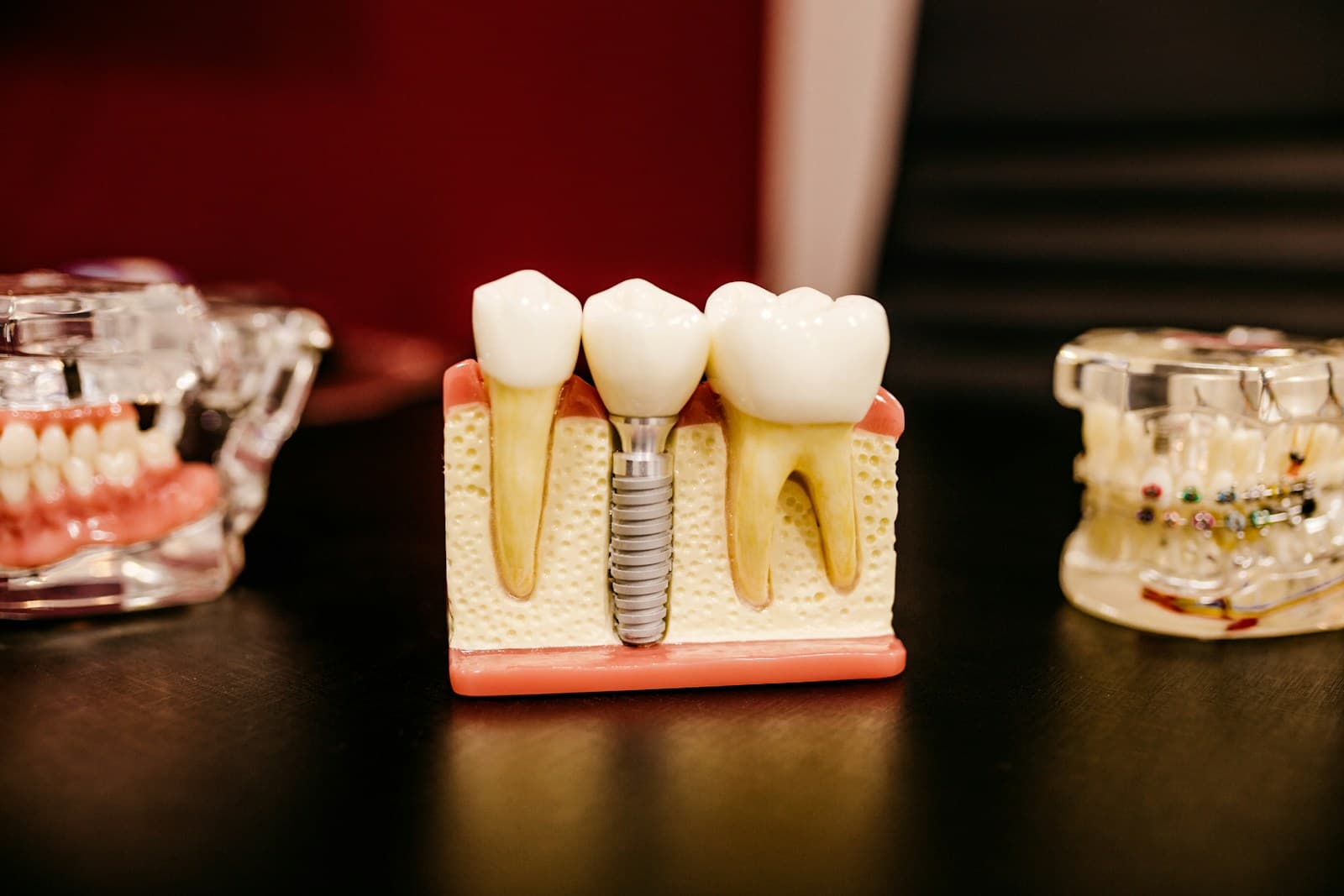
An implant replaces the root as well as the tooth. A small titanium post is placed in the jawbone where the root used to be, usually under local anesthesia. Over the next 3 to 9 months, the bone fuses to the post in a process called osseointegration. Once it's solid, a connector called an abutment is attached, and a crown goes on top.
Because it's anchored in bone, an implant stands on its own. It doesn't need anything from the teeth next to it. It also gives the jawbone something to work against, which helps preserve the bone in that area. Without a root there, the bone tends to shrink over time.
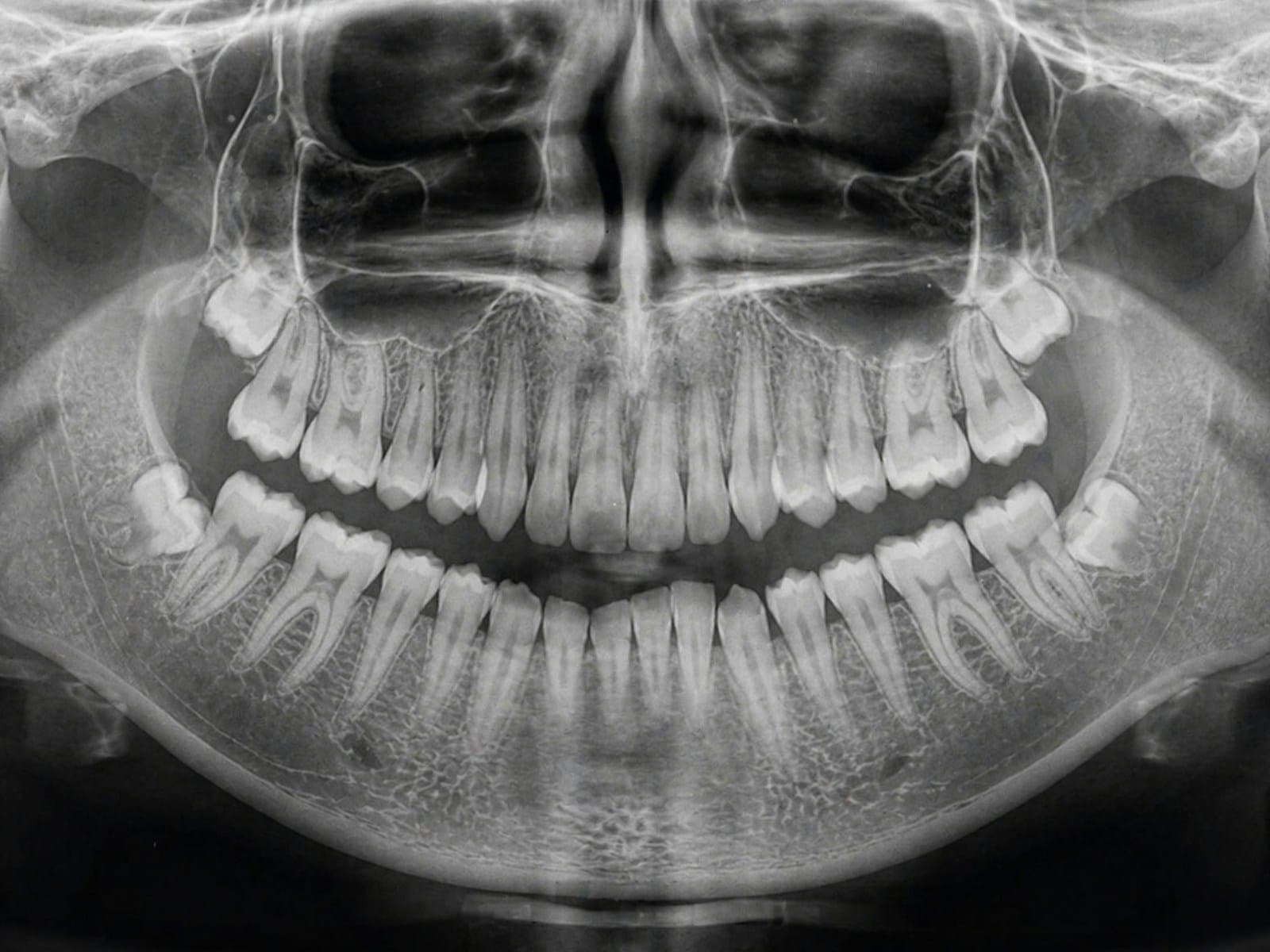
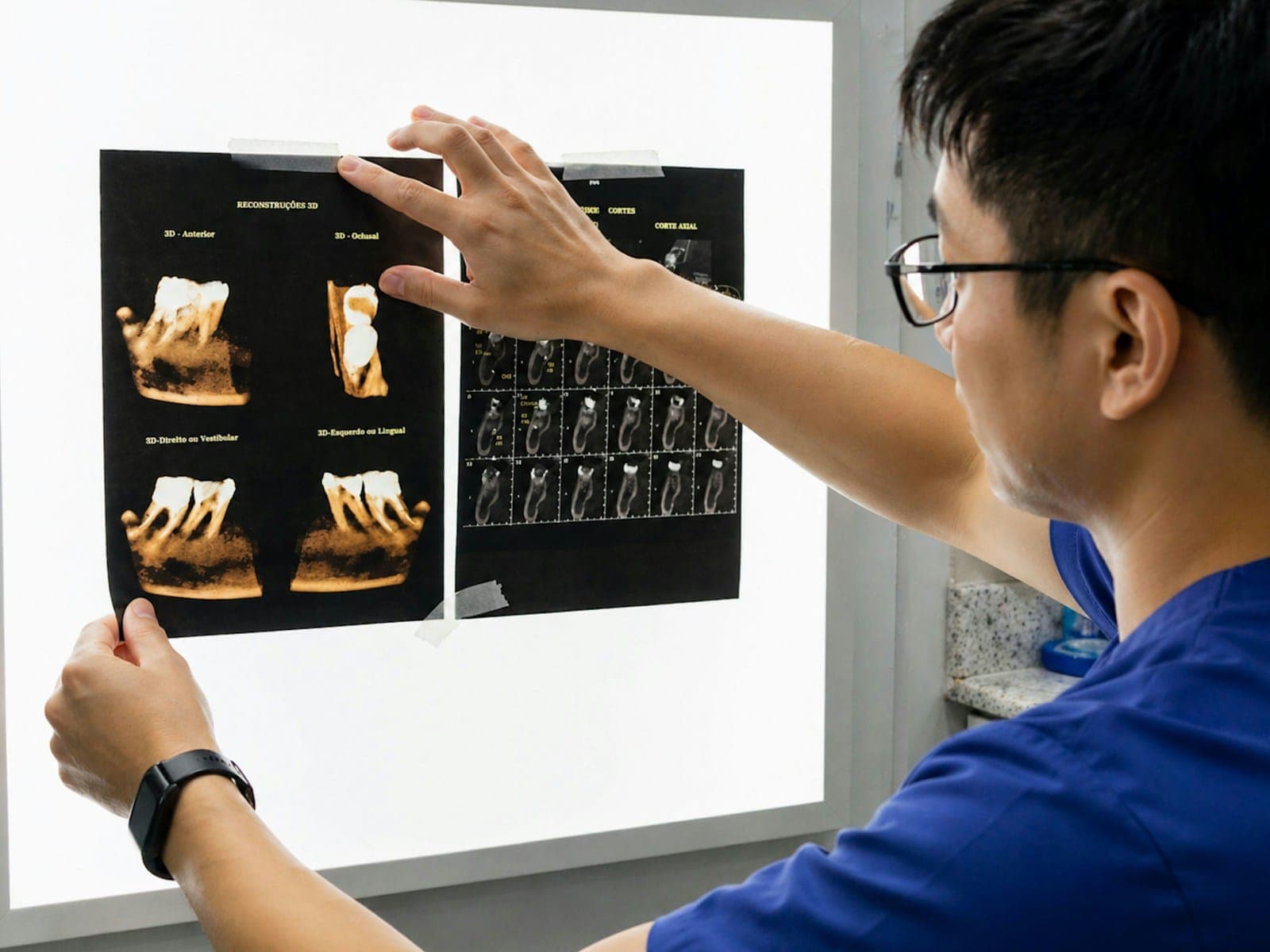
At Illumination we handle the full implant process in-house, from consultation and planning through the final crown. We use 3D cone beam CT imaging to plan implant placement, and if you've lost bone in the area, we offer bone grafting so the jaw can properly support the implant.
How a dental bridge works
A traditional bridge uses the teeth on either side of the gap as anchors. Those teeth are reshaped and crowned, and a replacement tooth is attached between the crowns, so the whole unit is one piece cemented in place.
The usual process is two visits: the anchor teeth are prepared and an impression is taken, you wear a temporary bridge for roughly 2 to 4 weeks while the lab makes the final one, and then the permanent bridge is fitted and cemented. There's no surgery and no months-long healing period.
- Traditional bridge: crowns on both sides of the gap, the most common type
- Cantilever bridge: anchored on one side only, used when there's a tooth on just one side
- Maryland bridge: bonded to the backs of the neighboring teeth with small wings, usually for front teeth
- Implant-supported bridge: anchored on implants instead of natural teeth, often for several missing teeth in a row
The trade-off with the teeth next door
This is the biggest practical difference between the two. To hold a traditional bridge, the neighboring teeth have to be shaped down for crowns, and removing that enamel can't be undone. If those teeth are healthy and untouched, that's a real cost.
Those anchor teeth also carry extra load for as long as the bridge is in. If one of them later develops decay or fractures, the whole bridge can be affected. Cleaning matters here too: food and plaque can collect under the false tooth, so Cleveland Clinic recommends cleaning underneath every day with floss threaders or small interdental brushes.
If the neighboring teeth already have large fillings or need crowns anyway, the math changes. Crowning them as part of a bridge can be a very reasonable choice.
How long each one tends to last
Both can last many years with good care. According to Cleveland Clinic, bridges average 5 to 15 years, and sometimes longer. An implant post itself can last a lifetime with proper care, though the crown on top may eventually need replacing after many years of chewing, just like any crown.
When researchers have pooled long-term studies, single implant crowns have generally come out ahead. One large systematic review (Torabinejad and colleagues, 2007) found about 97% of single implant crowns were still successful after 6 or more years, compared with about 80% of fixed bridges. That comparison comes from separate groups of studies rather than head-to-head trials, so it's a strong trend, not a guarantee for any one mouth.
Who's a good candidate for an implant
Most healthy adults who've finished growing can get an implant, and there's no upper age limit. The big requirements are enough healthy jawbone to hold the post, or a plan to rebuild it with a graft, and healthy gums.
A few things raise the risk of healing problems and need to be addressed or managed first. That doesn't always rule an implant out, but we'll talk through them honestly.
- Active or untreated gum disease
- Smoking or vaping, which can disrupt healing
- Diabetes that isn't well controlled
- Significant bone loss in the jaw
- Some medications and autoimmune conditions
- Extensive untreated decay elsewhere in the mouth
Side by side
- Neighboring teeth: an implant leaves them alone; a traditional bridge needs them crowned.
- Jawbone: an implant replaces the root and helps preserve bone; a bridge doesn't replace the root.
- Timeline: a bridge is usually done in a few weeks; an implant takes months to heal before the final crown.
- Procedure: an implant needs a minor surgical step; a bridge doesn't.
- Cleaning: an implant is brushed and flossed much like a natural tooth; a bridge needs floss threaders or interdental brushes underneath.
- Long-term track record: both are proven, with implants generally lasting longer in the research.
Making the call at your consultation
The right answer depends on your bone, your gums, the health of the teeth beside the gap, your timeline, and your budget. We'll look at your imaging with you, explain what we see, and lay out both options with their costs before you decide anything.
We also offer financing options and payment plans, because cost shouldn't be the only thing standing between you and the option that's best for your mouth.
Frequently asked questions
Does getting an implant hurt?
The area is numbed for the procedure. Afterward, most people describe a few days of soreness and swelling that's manageable with over-the-counter pain relief and softer foods.
How long does the whole implant process take?
Placing the post is a single visit, but the bone needs about 3 to 9 months to fuse with it before the final crown goes on. If a bone graft is needed first, add healing time for that.
Can I get an implant if I lost the tooth years ago?
Often, yes. The bone in that area may have shrunk, in which case a bone graft can rebuild it first. Imaging during your consultation tells us how much bone is there.
Can implants replace more than one tooth?
Yes. Two or more implants can support a fixed bridge for several missing teeth in a row, and a small number of implants can anchor a full set of teeth for someone missing most or all of an arch.
Is a bridge a bad choice?
Not at all. Bridges are a proven, faster option, and they make a lot of sense when the neighboring teeth already need crowns. It's about which trade-offs fit your situation.
Do you offer financing for implants?
Yes. We offer financing options and payment plans to help make treatment more accessible.


Ready to talk about your smile?
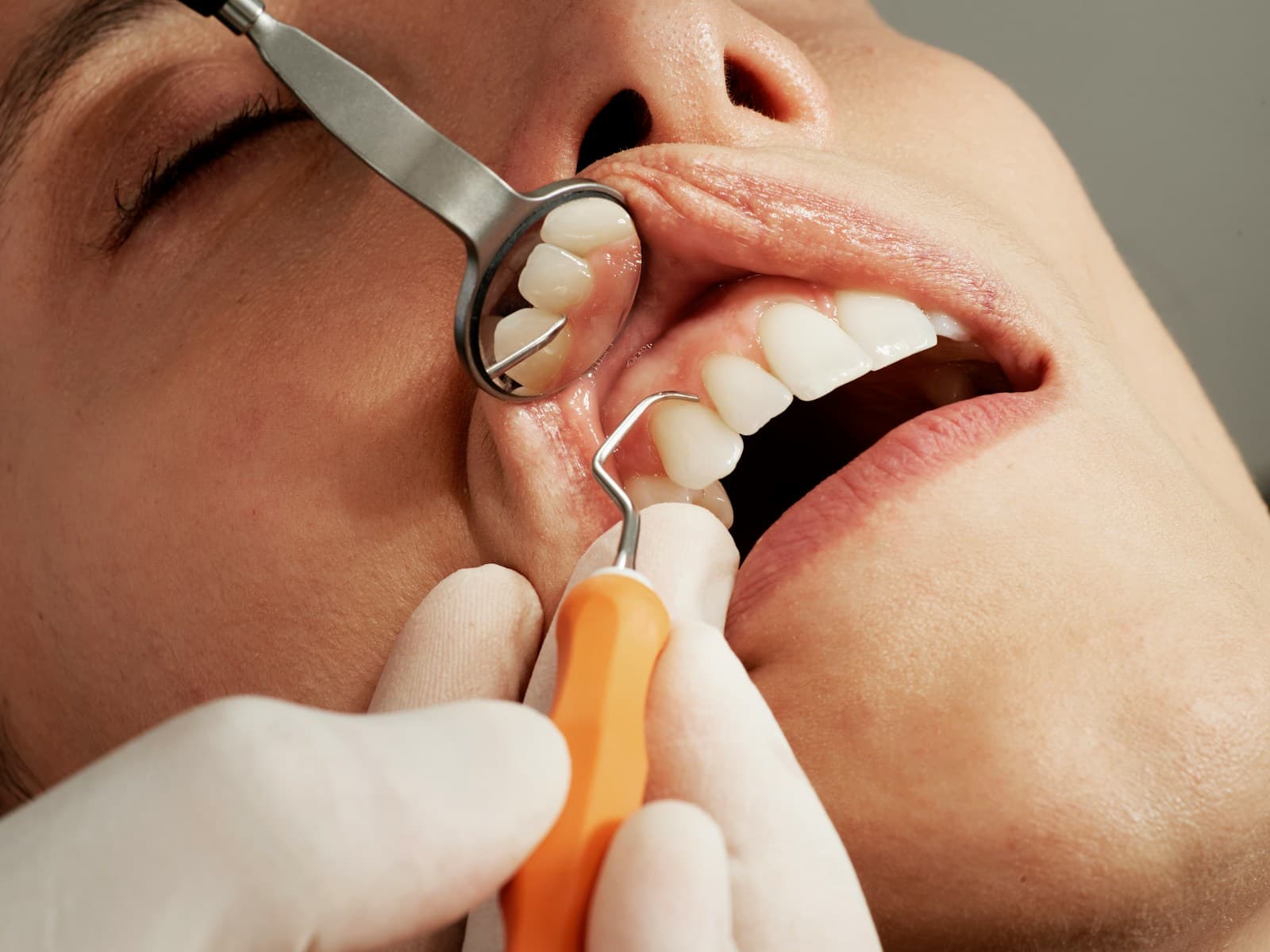
We'll take a look, walk you through what's going on, and lay out your options before anything happens.