Endodontics
in Lutz, FL
Root canal treatment that saves the tooth and stops the pain.
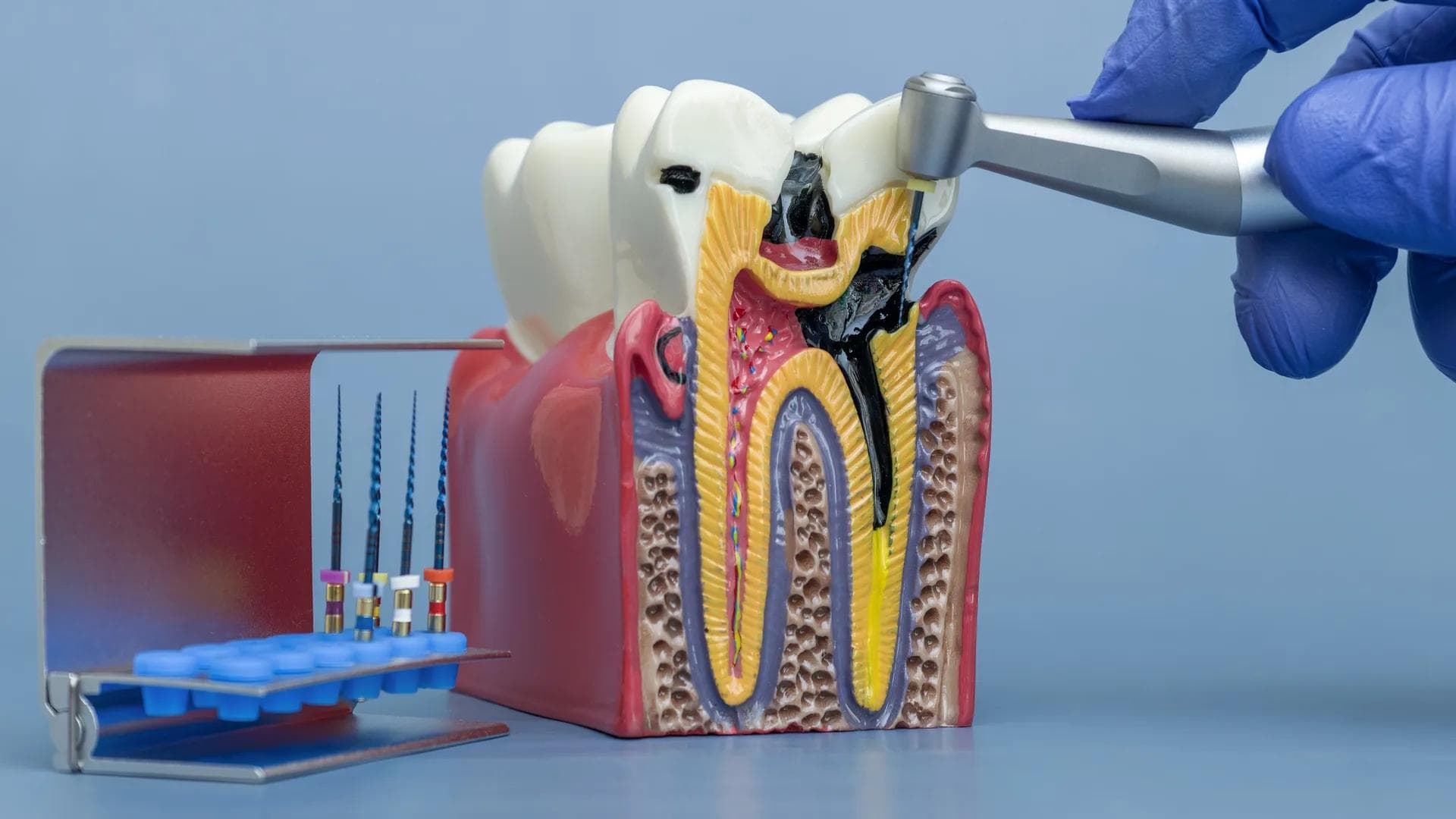
Root canal therapy repairs and saves a tooth that's infected from decay, cracking, or injury, by removing the infected pulp inside the tooth. It's the most effective way to keep a compromised tooth instead of losing it.
Signs you might need one
If you're noticing any of these, don't wait. Left untreated, an infection inside a tooth can spread and lead to more serious problems, including tooth loss.
- Severe pain while chewing
- Pain that wakes you up at night
- Sensitivity to hot or cold
- Discoloration or darkening of the tooth
- Swollen gums near the affected tooth
What treatment involves
Using precise x-rays, we determine the best path forward, then carefully remove the infection, clean the inside of the tooth, and seal it. Afterward, we place a crown to protect the tooth and restore normal function. Our team focuses on keeping the process as stress-free as possible, from a calm explanation of what to expect to careful attention during the procedure itself.
If you're dealing with persistent tooth pain, schedule an appointment at our Lutz, FL office. Early treatment makes a real difference in outcome and comfort.
Common myths about root canals
Root canals have a reputation for being painful, but that reputation is largely outdated. The pain patients associate with a "root canal" is almost always caused by the infection itself, not the treatment. Modern local anesthesia and technique mean the procedure is designed to relieve that pain, not cause it, most patients report feeling about the same as they would getting a routine filling.
Recovery and aftercare
A tooth that's had a root canal and a proper crown can function normally for many years, in many cases for the rest of your life, making it a far better outcome than extraction for most patients who are candidates.
- Some tenderness in the area for a few days afterward is normal, especially when chewing, and typically responds well to over-the-counter pain relief.
- Avoid chewing on the treated tooth until it's fully restored with a permanent crown, the tooth is more brittle without its full structure.
- Continue brushing and flossing normally, including around the treated tooth.
- Keep your follow-up appointment for the permanent crown, it's what protects the tooth from fracturing long-term.
Frequently Asked Questions
What are signs I might need a root canal?
Severe pain while chewing, pain that wakes you up at night, sensitivity to hot or cold, discoloration or darkening of the tooth, and swollen gums near the affected tooth.
What happens if I ignore these symptoms?
Left untreated, an infection inside a tooth can spread and lead to more serious problems, including tooth loss.
What does root canal treatment involve?
Using precise x-rays to plan the approach, then carefully removing the infection, cleaning the inside of the tooth, sealing it, and placing a crown afterward to protect the tooth and restore normal function.
Is a root canal painful?
The pain people associate with a root canal is almost always caused by the infection itself, not the treatment. With modern anesthesia, most patients say it feels about the same as getting a routine filling.
How long does a tooth last after a root canal?
A tooth that's had a root canal and a proper crown can function normally for many years, often for the rest of your life, which is why saving the natural tooth is usually the better outcome compared to extraction.