Bleeding Gums: The Early Warning Sign of Gum Disease
Pink in the sink isn't normal, even when it doesn't hurt. Here's what bleeding gums can mean, how gum disease quietly moves from reversible to permanent, who's most at risk, and what treatment actually involves.
By Dr. Noah B. Honig, DMD · October 1, 2026 · 8 min read
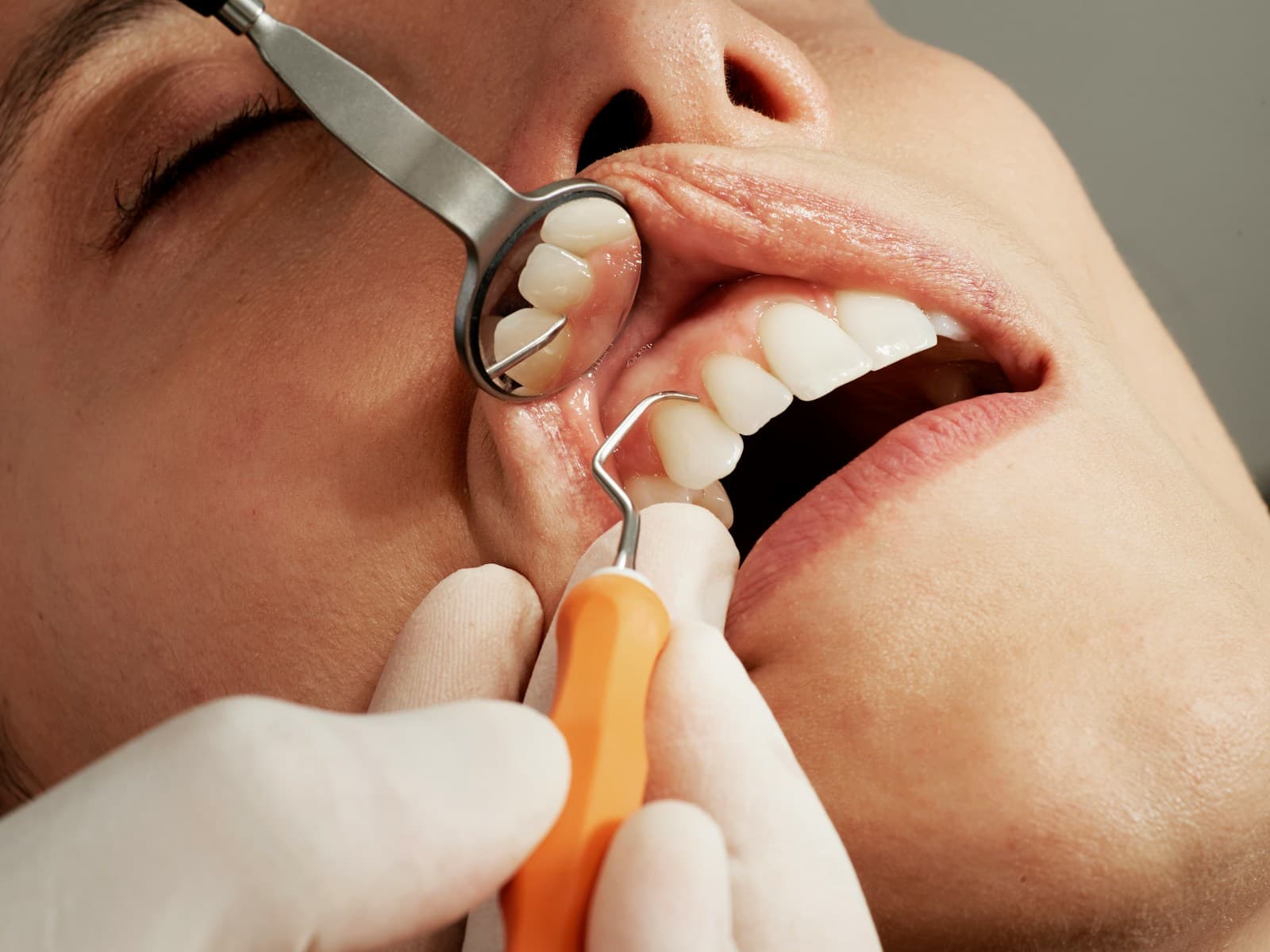
Healthy gums don't bleed
A lot of people assume a little blood when brushing or flossing is just part of life. It shouldn't be ignored. Bleeding when you brush or floss is one of the most common warning signs of inflamed gums, most often because plaque has been sitting along the gumline.
Plaque is a sticky film of bacteria that forms on your teeth every day. If it isn't removed, it irritates the gums, and it can harden into tartar. According to the NIDCR, only a dental professional can remove tartar.
How common gum disease really is
This isn't a rare problem. In national survey data reported by the National Institute of Dental and Craniofacial Research, about 42% of U.S. adults 30 and older had periodontitis, the more advanced form of gum disease. The number climbs with age, to nearly 60% of adults 65 and older.
Part of the reason it's so widespread is that gum disease is often silent. It usually doesn't hurt, especially early on, so plenty of people have it without knowing.
Gingivitis vs. periodontitis
Gum disease has two broad stages, and the difference between them matters a lot.
Gingivitis is the early stage. The gums are red, puffy, and bleed easily, but the bone holding your teeth hasn't been affected. At this point the damage is reversible. A professional cleaning plus consistent brushing and flossing at home can usually clear it up.
Periodontitis is what can happen if gingivitis is left alone. The infection moves below the gumline. The gums start pulling away from the teeth, forming pockets where bacteria collect, and the tissue and bone that hold your teeth in place begin to break down. That bone loss doesn't grow back on its own. Teeth can loosen and shift, and in advanced cases they may need to be removed.
Signs to watch for
Bleeding is the most common early sign, but it isn't the only one. Any of these is worth mentioning at your next visit, and several together are worth a call now.
- Gums that bleed when you brush, floss, or eat something hard
- Red, swollen, or tender gums
- Bad breath or a bad taste that doesn't go away
- Gums pulling back, making teeth look longer
- Teeth that feel loose or are shifting apart
- A change in how your teeth fit together when you bite
- Pus between the gums and teeth
- Partial dentures that suddenly fit differently
Who's at higher risk
Anyone can develop gum disease, but some factors raise the odds considerably. Smoking or tobacco use is the most significant. In the same national data, about 62% of current smokers had periodontitis, and smoking also slows healing and makes treatment less successful.
Diabetes is another big one, with about 60% of adults with diabetes affected. Other risk factors include older age, family history, stress, hormonal changes such as pregnancy, crooked teeth that are hard to clean, and certain medications. If any of these apply to you, regular checkups matter even more.
Gum health and the rest of your body
You may have read that gum disease is tied to problems elsewhere in the body. The honest answer is that research is still ongoing. According to the American Dental Association, some studies have associated severe gum disease with conditions such as diabetes and stroke, but the link isn't conclusive.
What's clearer is that some conditions raise your risk of gum disease. The National Institute of Dental and Craniofacial Research lists illnesses such as diabetes, rheumatoid arthritis, cardiovascular disease, and obesity, as well as some medications, among its risk factors. If you're managing one of these, tell us, because it changes how closely we watch your gums.
How we check your gums
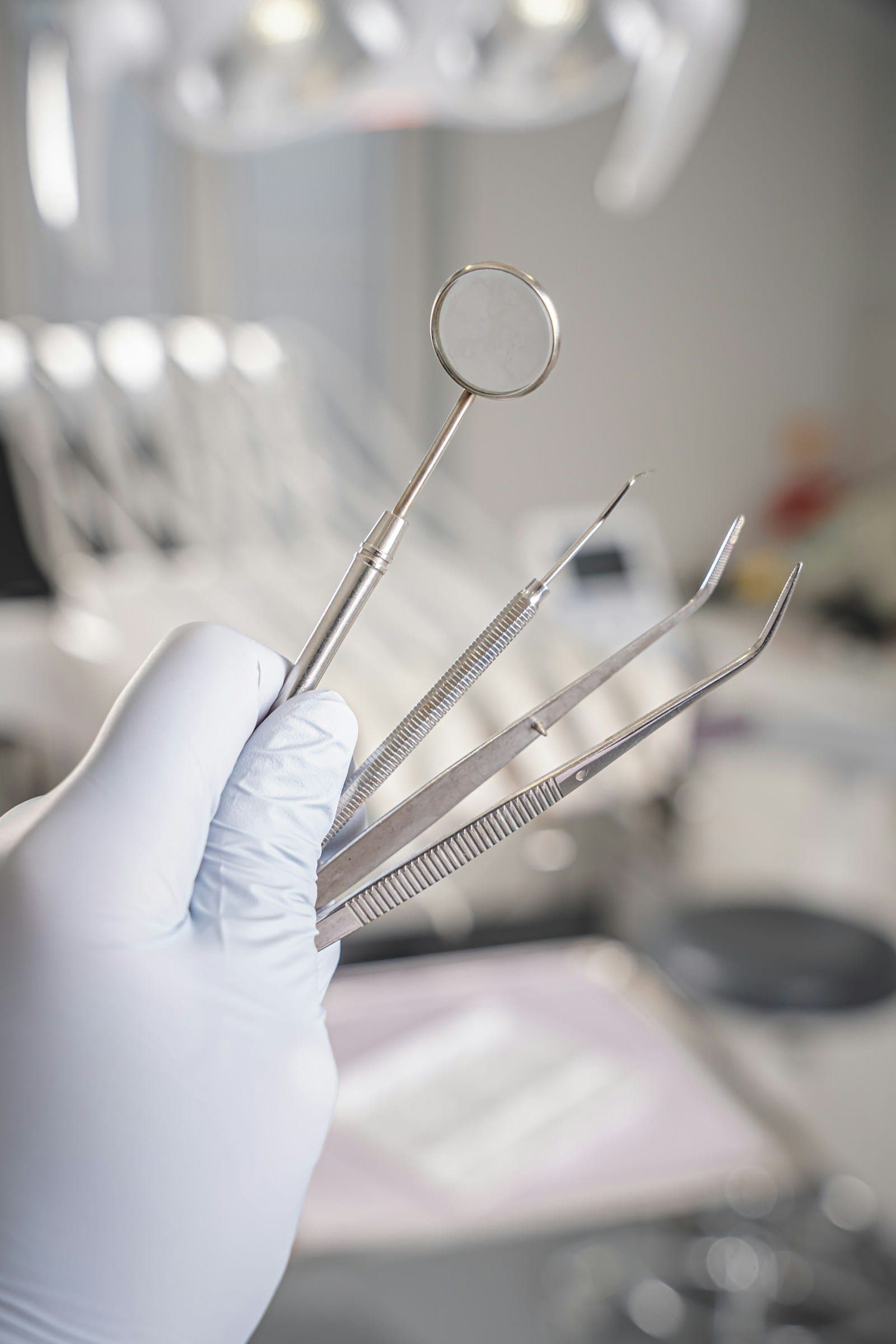
Gum health is checked at every routine cleaning, not only when something feels wrong. We use a thin probe to gently measure the small space between each tooth and the gum around it. Healthy pockets usually measure 1 to 3 millimeters. Deeper pockets can be a sign of periodontal disease.
We also look at whether any teeth have loosened or shifted, review your medical history for risk factors like diabetes or tobacco use, and use X-rays to check for bone loss, which can't be seen just by looking.
What treatment involves
Treatment depends on how far things have progressed. Early gingivitis often needs nothing more than a thorough cleaning and a few changes at home.
When the infection has moved below the gumline, we do a deep cleaning called scaling and root planing. It clears plaque and tartar from below the gums and smooths the root surfaces so the gums can heal and tighten back up against the teeth. For deeper pockets we may place Arestin, a localized antibiotic, to fight the infection directly. The area is numbed first, so most people feel pressure rather than pain.
Gum disease is managed long term rather than cured once. After treatment, we typically schedule maintenance cleanings every 3 to 4 months instead of every 6 to keep the infection from returning.
Keeping your gums healthy
The good news is you don't have to lose teeth to gum disease. Most of it is preventable, and caught early, it's very treatable.
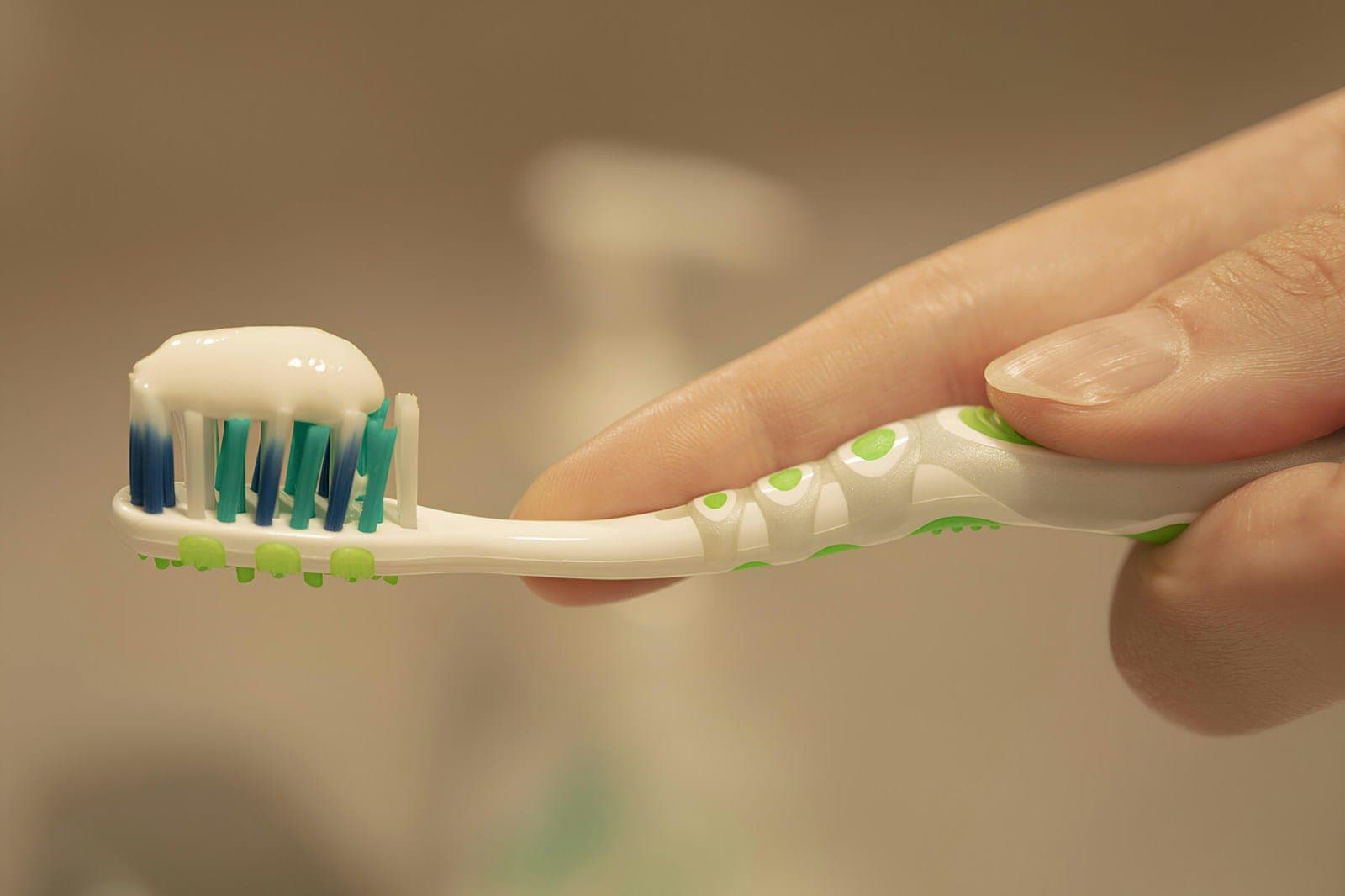
- Brush twice a day with fluoride toothpaste
- Clean between your teeth every day with floss, a pick, or a water flosser
- Don't smoke or use tobacco
- Keep diabetes and other health conditions well managed
- Keep up regular cleanings and exams
Frequently asked questions
Should I stop flossing if my gums bleed?
No. Gentle, daily flossing usually helps inflamed gums settle down. If bleeding continues, come in and let us take a look.
Can gum disease be reversed?
Gingivitis, the early stage, can usually be reversed with a professional cleaning and good home care. Periodontitis can be controlled with treatment, but bone that's already been lost doesn't grow back on its own, which is why catching it early matters.
Is a deep cleaning painful?
We numb the area first, so most patients feel pressure rather than pain. Some tenderness afterward is normal for a day or two.
Can I have gum disease without symptoms?
Yes. Gum disease is often painless, especially early on. That's why we measure your gums at routine cleanings instead of waiting for symptoms.
How often will I need cleanings after treatment?
We typically schedule them every 3 to 4 months instead of every 6, to keep the infection from coming back.
Does smoking affect gum disease?
Significantly. Smoking is the biggest single risk factor for gum disease, and it also slows healing and makes treatment less successful.


Ready to talk about your smile?
We'll take a look, walk you through what's going on, and lay out your options before anything happens.