Clear Aligners: Who They Work For and What Treatment Looks Like
Straighter teeth without brackets or wires. Here's what clear aligners can and can't fix, what happens from the first scan to the last tray, what wearing them is really like, and the one habit that decides whether treatment works.
By Dr. Noah B. Honig, DMD · September 24, 2026 · 8 min read
What clear aligners are
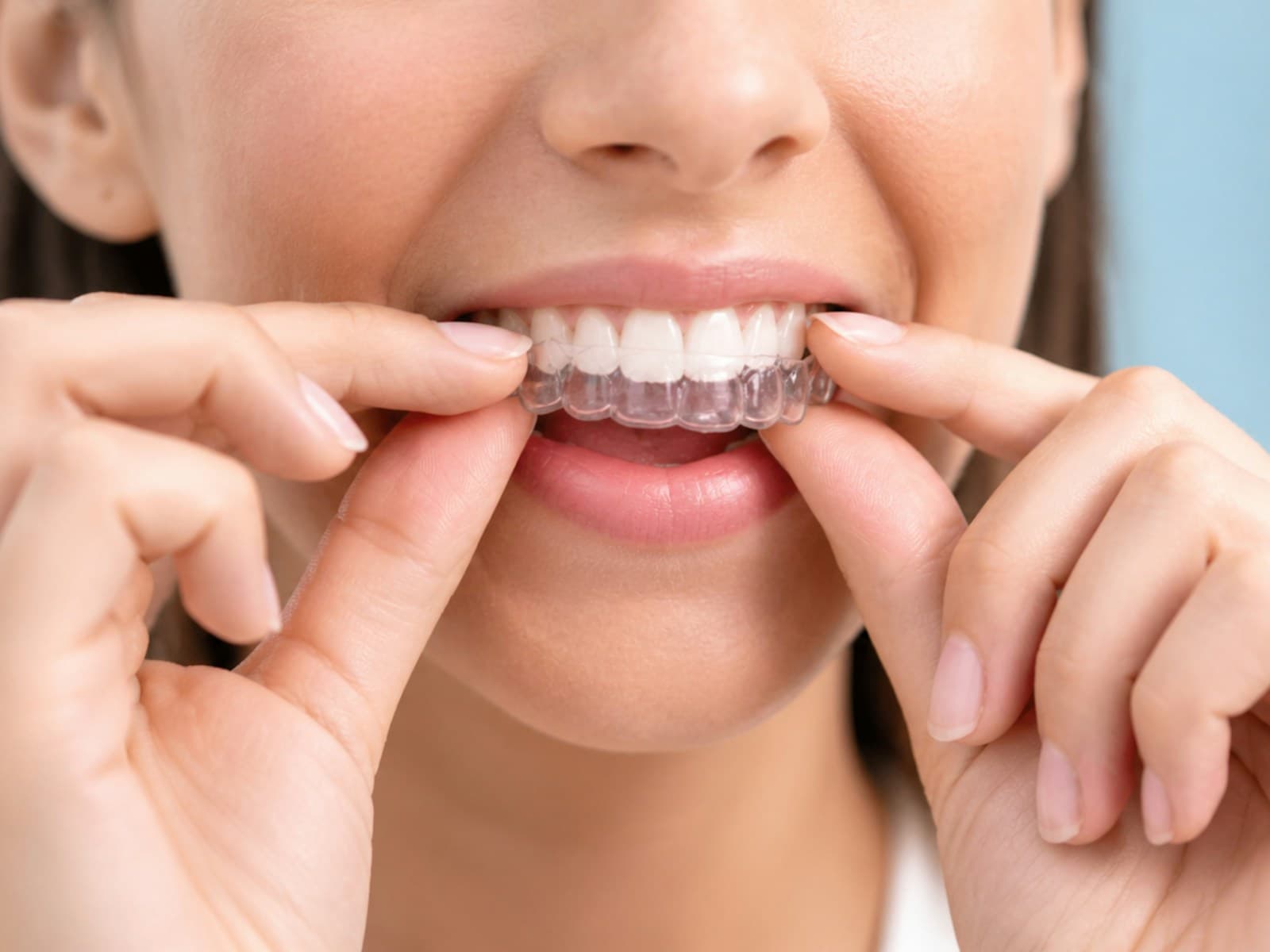
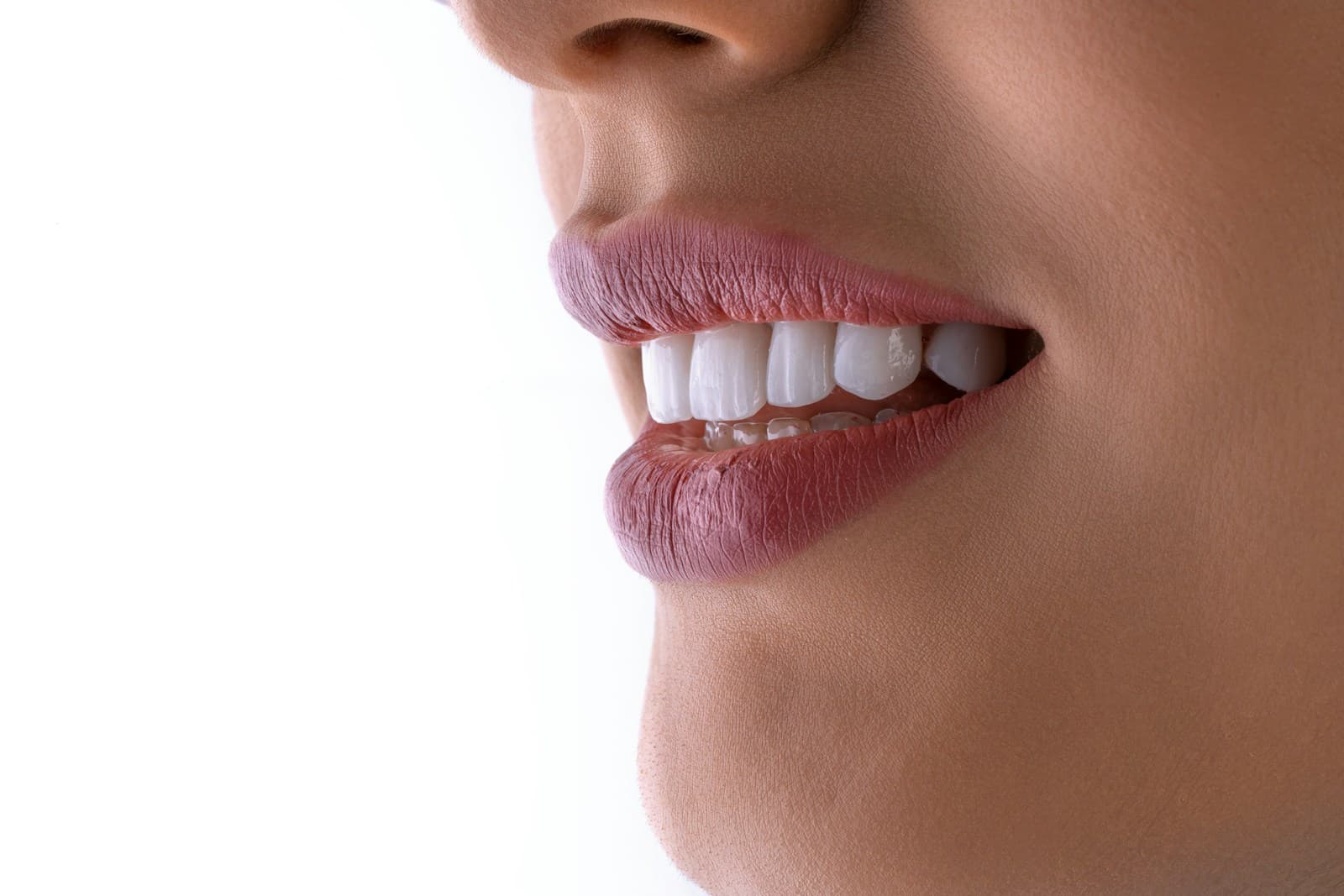
Clear aligners are a series of thin, transparent plastic trays custom-made to fit snugly over your teeth. Each tray is shaped slightly differently from the one before it. As you work through them in order, they apply gentle, steady pressure that moves your teeth a fraction of a millimeter at a time toward a planned final position.
They straighten teeth the same basic way braces do, but there are no brackets or wires, and most people you talk to won't notice you're wearing them. At Illumination we offer both SureSmile and Invisalign, and we'll help you figure out which one fits your case.
What they can fix
The American Association of Orthodontists lists these as problems aligners can treat, and they do best when the problem is mild to moderate.
- Crowded teeth
- Gaps between teeth
- Crooked teeth
- Overbite and underbite
- Crossbite
- Open bite
When braces may still be the better choice
Aligners aren't the right tool for every case, and we'll be straight with you if yours is one of them. They can be less predictable for severe bite problems, teeth that need to rotate a lot, or very large gaps. In those cases, traditional braces may offer more precision and sometimes a faster result.
That decision should come from a proper exam with X-rays, photos, and a scan, not a guess. Moving teeth is real treatment, and it needs supervision from start to finish.
From first scan to final tray
Before anything starts, the American Association of Orthodontists advises getting a cleaning and checkup and finishing any needed dental work, since the aligners are custom-made to fit your teeth exactly as they are when we scan them.
- Consultation: we examine your teeth, bite, and X-rays and talk through your goals.
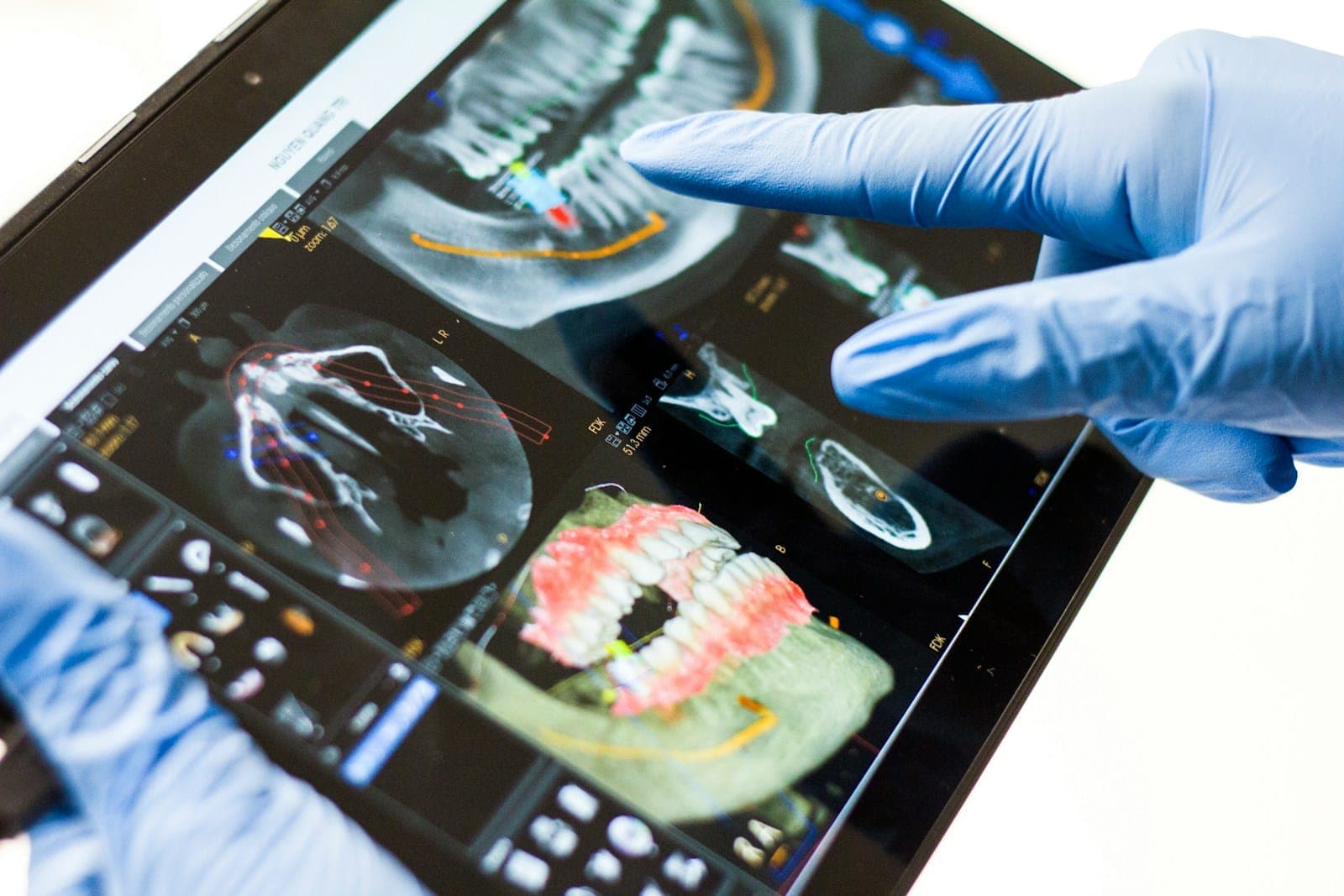
- Digital scan: a 3D scan replaces impression putty and maps your teeth's step-by-step path to the final result.
- Your plan: you can see the projected movement before you commit.
- Your aligners: the custom trays are made and shipped, which typically takes 4 to 6 weeks.
- Small attachments: tiny tooth-colored bumps may be bonded to some teeth to help the trays grip and move them.
- New trays on a schedule: you switch to the next set about every 1 to 2 weeks.
- Progress checks: periodic visits let us confirm everything is tracking and adjust if needed.
The part that's up to you: wear time
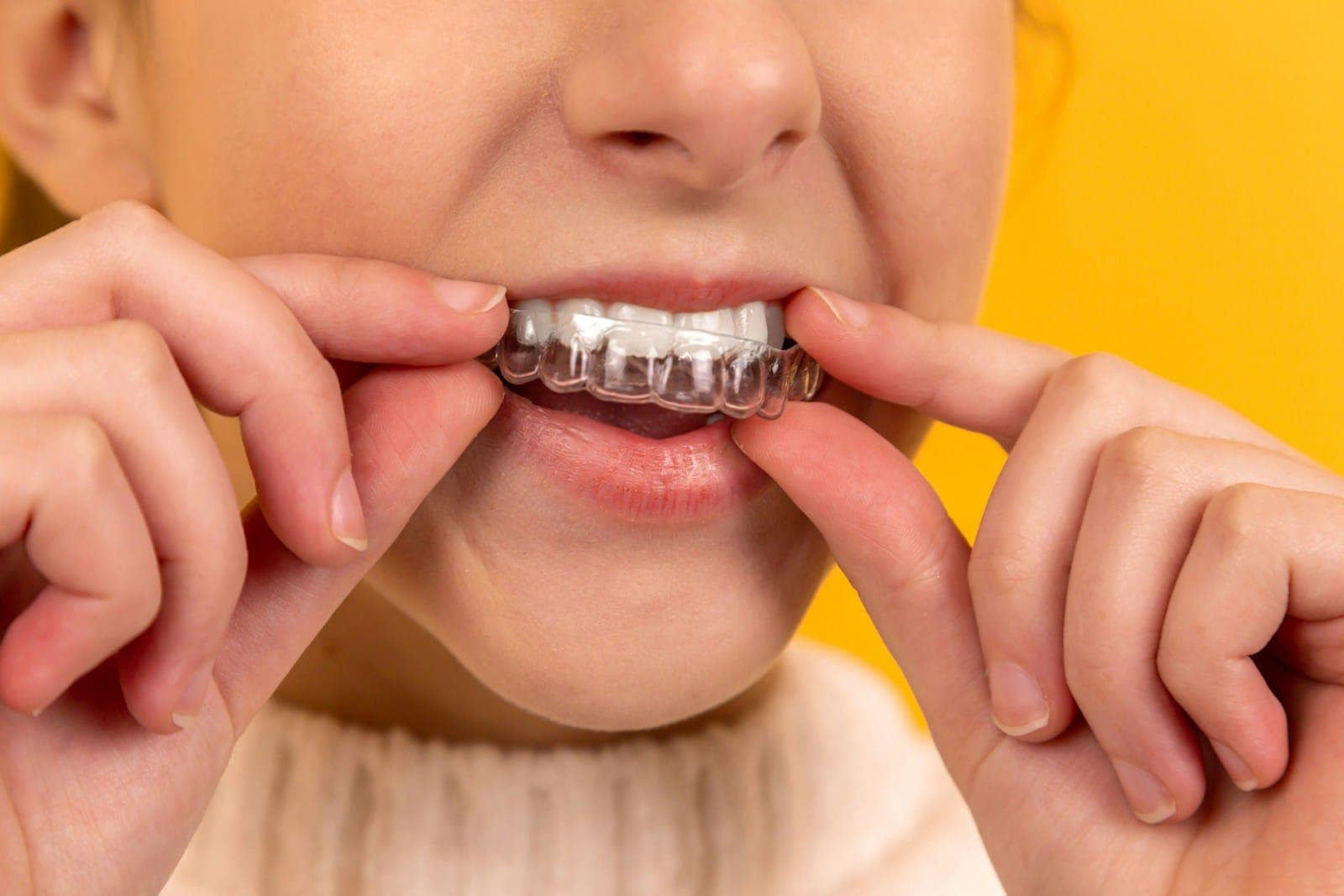
This is the single biggest factor in whether aligner treatment works. Aligners only move teeth while they're in your mouth. The American Association of Orthodontists advises wearing them 20 to 22 hours a day, or as your doctor prescribes, which means they come out only to eat, to drink anything other than water, and to brush and floss.
Leaving them out for long stretches can put treatment behind schedule. Trays that aren't worn enough stop fitting the way they should, and the plan can need a reset. People who treat their aligners like part of their mouth, not an accessory, tend to finish on time.
Living with aligners day to day
The American Association of Orthodontists says to expect about a week of adjustment at the start. After that, each new tray can bring pressure or mild soreness that typically eases within a few days. Softer foods and over-the-counter pain relief help.
The AAO advises drinking only water while the trays are in, since other liquids can get trapped underneath, stain, and promote cavities. Brush after eating or drinking before you put them back in, and clean the trays daily with a soft brush and lukewarm water. Hot water can warp the plastic.
When they're out, keep them in their case, not wrapped in a napkin or loose in a pocket or purse, and away from pets. If one gets lost or damaged, call us so we can keep you on track.
Aligners vs. braces at a glance
- Look: aligners are clear and hard to notice; braces use visible brackets and wires.
- Food: aligners come out to eat, so there's no list of foods to avoid; braces come with food restrictions.
- Cleaning: you take aligners out to brush and floss normally; braces need extra work around brackets.
- Discipline: aligners only work when worn 20 to 22 hours a day; braces work without you having to remember.
- Complex cases: braces can be more precise for severe bite problems, big rotations, and large gaps.
- Checkups: both need periodic visits to keep treatment on track.
How long treatment takes
It varies by case. According to Cleveland Clinic, straightening a few slightly crooked teeth can take up to about 9 months, while more involved corrections take longer. Your treatment plan gives you a realistic estimate before you start.
After the last tray: retainers
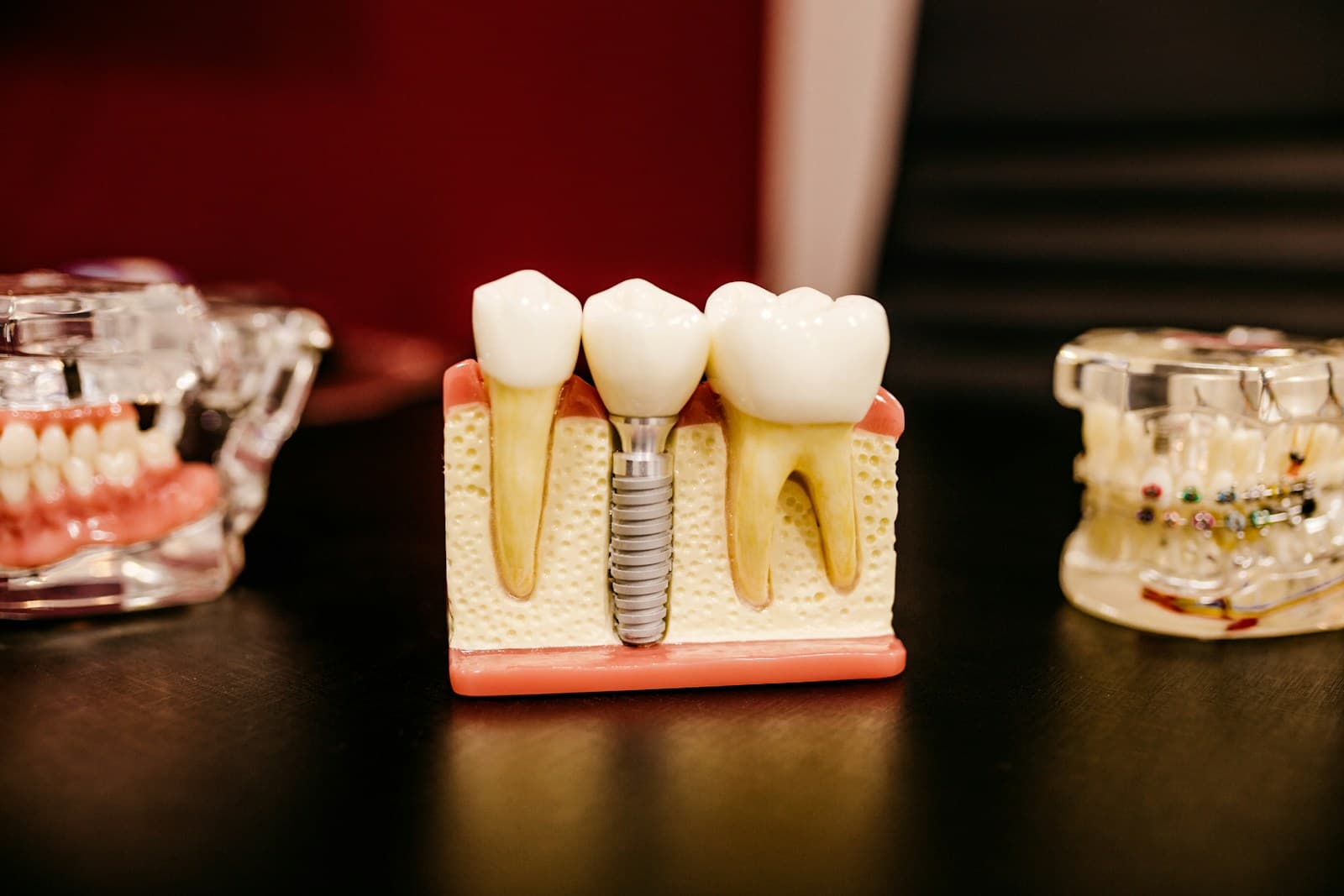
Teeth naturally move throughout your life, and after treatment they'll try to return to where they started. According to the American Association of Orthodontists, a retainer gives the bone and gums around your teeth time to adjust and holds the teeth in their new positions. Retainers are typically worn right after treatment ends, then gradually reduced to nighttime wear as your doctor directs, and many people wear them nightly for life. If a retainer feels tight, your teeth may have shifted slightly. As long as it still fits and doesn't hurt, keep wearing it, and let us know.
Frequently asked questions
Do clear aligners hurt?
Most people feel some pressure or mild soreness with each new tray. It typically eases within a few days.
What's the difference between SureSmile and Invisalign?
Both are discreet, removable clear aligner systems that straighten teeth with gentle, steady pressure. We'll recommend the one that fits your case during your consultation.
Can I eat with my aligners in?
No. Take them out to eat and to drink anything other than water, then brush before putting them back in.
How many hours a day do I need to wear them?
Typically 20 to 22 hours a day. Consistent wear is what keeps treatment on schedule.
Are aligners an option for teens?
Often, yes. The key is consistent wear, so we'll talk through whether it's a good fit during the consultation.
Will I need a retainer afterward?
Yes. A retainer keeps your teeth from drifting back once treatment is finished. Wearing it as directed protects your results long term.

Ready to talk about your smile?
We'll take a look, walk you through what's going on, and lay out your options before anything happens.